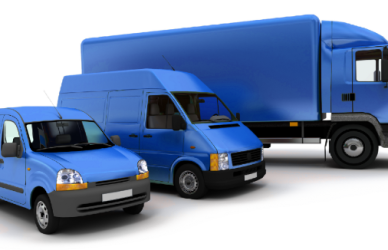

Ireland has long ceased to be an unusual destination for labour migration. Today, it is one of the European Union countries where the profession of a driver remains consistently in demand and well paid. A developed logistics sector, strong domestic trade and the rapid growth of online deliveries create constant demand for drivers of various categories — from couriers to professionals holding C and CE licences. At the same time, the labour market is known for transparent rules and respectful treatment of employees.
👉 You can find current driver vacancies in Ireland and apply directly to employers via the Driver-Work platform.
For many job seekers, working as a driver in Ireland is not a short-term solution, but an opportunity to build a stable and legal career in Europe. Not only the level of income matters, but also official employment, a clear work schedule and strict compliance with working and rest time regulations.
Why Ireland Actively Hires Drivers from Other Countries
Despite its high standard of living, Ireland has been facing a persistent shortage of workers in the transport sector for several years. Fewer young people choose the driver profession, while transport volumes, logistics operations and delivery services continue to grow. The lack of qualified drivers is especially noticeable in large cities, port areas and major logistics hubs.
For both the government and businesses, attracting foreign drivers is a way to maintain economic stability and ensure uninterrupted logistics operations. That is why employers are increasingly open to candidates from abroad, offering official contracts, clear employment terms and support during the adaptation period.
What Driver Vacancies Are Available in Ireland
The Irish job market for drivers is quite diverse. There are opportunities both for experienced heavy goods vehicle drivers and for those who are just starting their career abroad. Most vacancies are related to domestic transport, goods delivery and warehouse logistics.
Heavy Goods Vehicle Drivers (Categories C and CE)
Drivers holding C and CE licences are mainly involved in regional and long-distance transport. These roles usually offer predictable routes, modern vehicles and well-structured schedules. Employers value experience, careful driving and strict compliance with road regulations.
LGV and Courier Drivers
Drivers with category B or C1 licences are in high demand in the delivery sector. This includes work with online retailers, supermarkets and local warehouses. Such positions are often suitable for candidates who want to start working abroad without extensive previous experience.
Forklift and Warehouse Equipment Drivers
Another important area is warehouse and logistics hub work. Forklift and warehouse equipment drivers are needed to support daily operations. These jobs typically offer stable daytime schedules and hourly pay.
How Much Do Drivers Earn in Ireland
A driver’s income in Ireland depends on the licence category, work experience and schedule. It is important to note that wages are paid officially, with taxes and social contributions deducted, which ensures employee protection and access to social benefits.
Even drivers with limited experience can expect earnings that exceed average wages in many Eastern European countries. Experienced HGV drivers earn significantly more, especially if they are willing to work night shifts or take additional hours. Overtime is usually paid at higher rates, increasing total monthly income.
Working Hours and Conditions
One of the main advantages of working as a driver in Ireland is strict compliance with labour legislation. Working hours, breaks and rest periods are clearly regulated, and violations by employers are relatively rare.
Most positions offer stable and predictable schedules. Even in the freight transport sector, drivers usually know their routes and timetables in advance, which helps them plan personal time and avoid excessive fatigue.
Requirements for Candidates
Irish employers primarily focus on a driver’s practical skills. Holding the required licence category and having confirmed driving experience are often more important than perfect language skills. Basic English is an advantage, but it is not mandatory for many vacancies.
For freight drivers, the ability to work with a tachograph, knowledge of EU road regulations and a responsible attitude towards vehicles and cargo are essential.
Documents and Employment Process
The employment process usually starts with preparing a CV and selecting a suitable vacancy. A well-structured CV allows employers to quickly assess a candidate’s experience and specialisation. After that, working conditions, schedules and documentation issues are discussed.
In many cases, employers provide assistance with work permits and offer guidance on accommodation and relocation, which significantly simplifies the move.
Why Drivers Choose Ireland
Ireland is chosen not only because of competitive salaries. Safety, economic stability and respectful working culture also play a major role. Drivers are treated as skilled professionals who are essential to the entire logistics chain.
In addition, work experience gained in Ireland is highly valued and can open doors to further career opportunities in other EU countries.
Conclusion
Driver jobs in Ireland are a well-considered choice for those seeking stability, clear working conditions and real career prospects. High demand for drivers, official employment and respect for the profession make Ireland one of the most attractive destinations for working abroad.
FAQ — Frequently Asked Questions
How much do drivers earn in Ireland?
On average, drivers earn between €2,500 and €4,500 per month, depending on licence category, experience and working hours.
Is English required to work as a driver in Ireland?
English is recommended, but for many driver vacancies it is not a strict requirement.
What documents are needed for employment?
Typically, a valid passport, driving licence and CV are required. Work permit issues are often handled with the employer’s support.
Is it possible to work without extensive experience?
Yes, there are vacancies for drivers with minimal experience, especially in delivery and warehouse logistics.